

In Victoria, it’s compulsory that your dog and cat is microchipped
Although you might not want to think about it, pets do go missing. In fact more than 100,000 cats and dogs are placed in RSPCA shelters each year. And plenty of other pets go AWOL too. Thankfully, the microchip registration scheme ensures that many are ultimately reunited with their owners. Are you planning on boarding your pet, or do you have a pet-sitter taking care of your cat or dog? Then it’s even more important that your pet is microchipped.
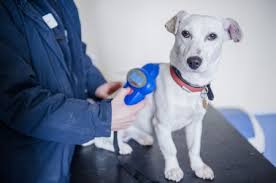 The information in a tiny microchip the size of a grain of rice, located under a pet’s skin, can be read using special readers held by veterinarians, animal shelters and rescue centres. The reader will reveal the chip’s registration number which is linked to the owner’s contact information on one of several registers. This way, the missing animal can be returned to its owner.
It’s therefore essential that your pet’s microchip data remains current: that the correct contact details are listed in the database and not, for example, a previous address or former owner (you can often update these details online). Always ensure that your pet is not only microchipped, but that they are registered with your local city council . You can find their microchip number in your pet’s insurance or adoption documentation or your pet’s veterinary records (or alternatively, take your pet to the vet to have their microchip number read).
 Has your pet gone missing? Or have you perhaps found a suspected missing pet? Fortunately a vet or shelter can easily determine whether the animal is microchipped and the owner is often tracked down extremely quickly. You can also report a lost or found pet at the RSPCA, Pet Rescue, the Australasian Animal Registry, your local city council and several other pounds and shelters – thanks to these organisations, many pets and owners have been reunited.
Has your pet been microchipped? And is the registration still in order? Check today, without delay!
 December is creeping up on us fast. It’s difficult for animals to regulate their temperature in the heat, so here are some tips for keeping your furry friends comfortable during summer.
 • Groomers might suggest a shave or trim for thick-coated dogs or cats. Animal fur is great at insulating – keeping pets cool in summer and warm in winter, but some dogs with long coats may find it helpful to get a trim, especially if they’re active outdoors and get dirty often. Make sure if you are trimming your dog’s coat that you retain at least an inch of fur all over to prevent sunburn. The best way to deal with a pet’s coat of any length in the hot seasons is to brush it regularly – daily, if possible – to remove shed fur and untangle locks that might prevent heat transfer away from the skin.
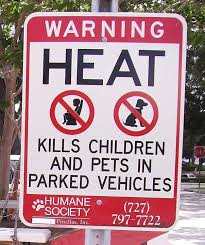 • Above all – NEVER leave a pet alone in a car during the day. A balmy 22C day can cause the temperature to rise to 45C in a car after 15 minutes, even with the windows open.







 Pilyara Babydoll Stud & Kennels