


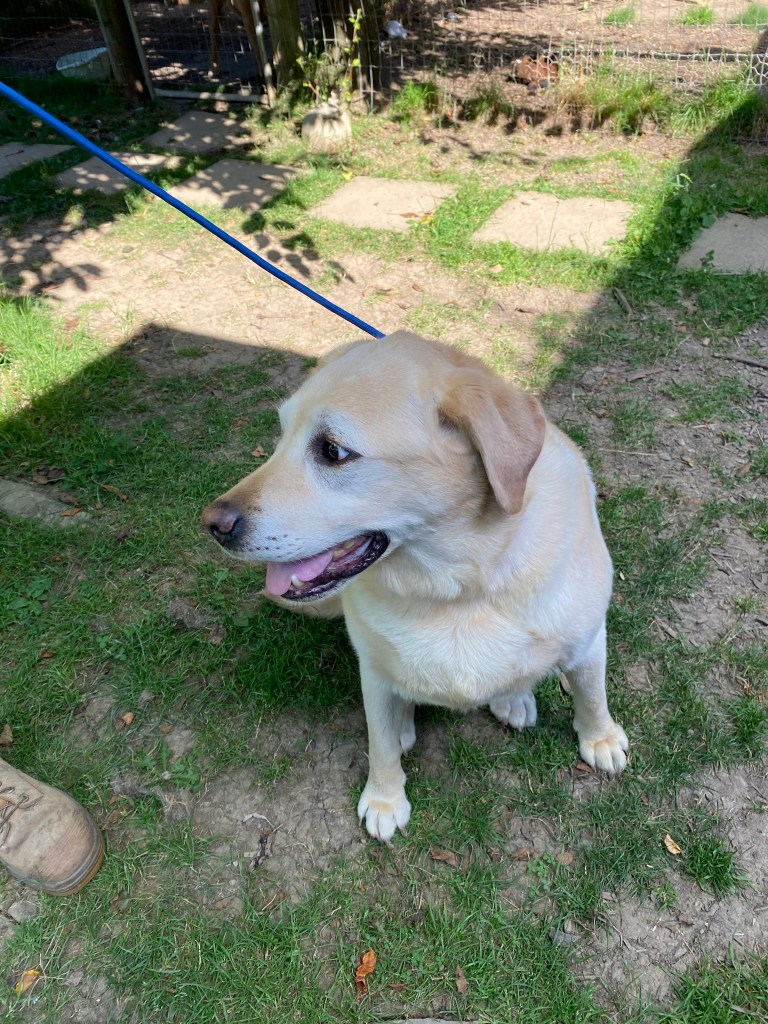
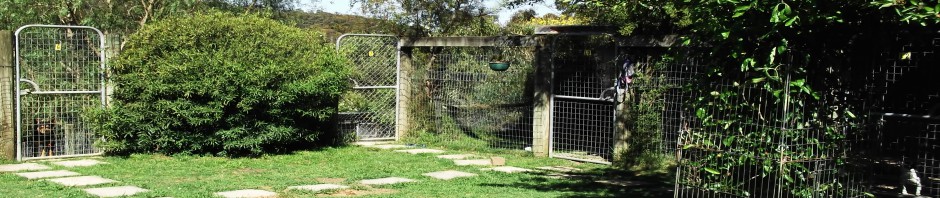
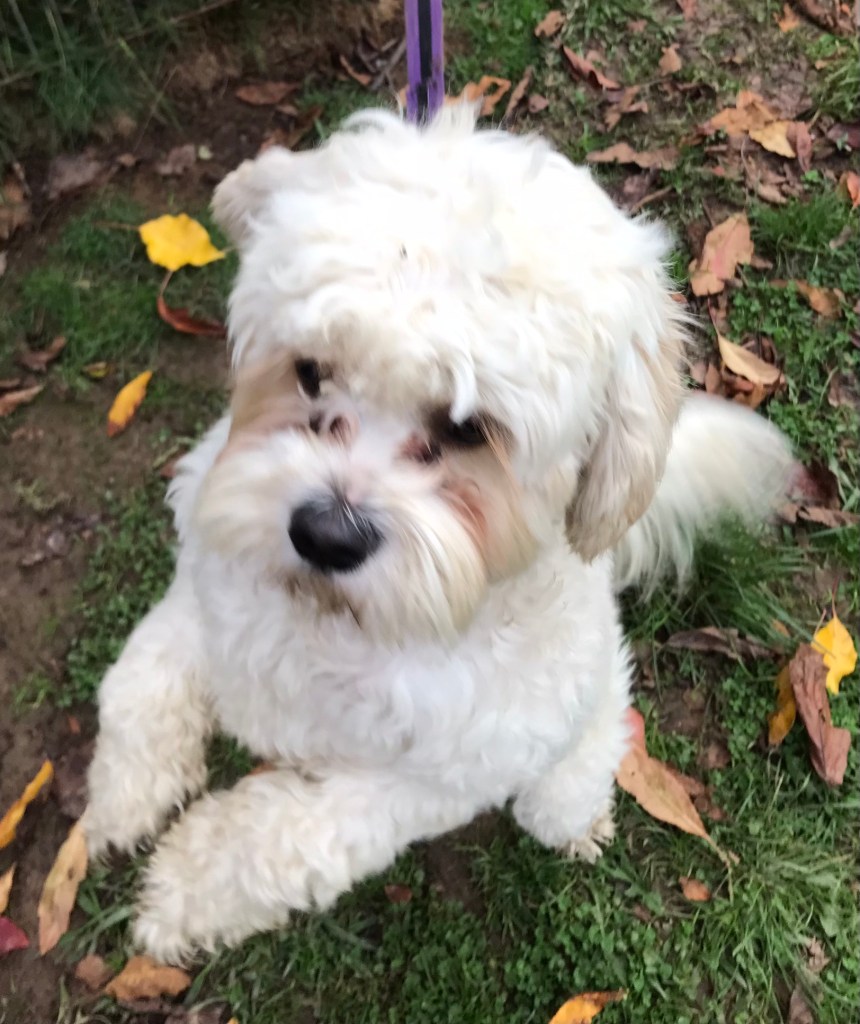
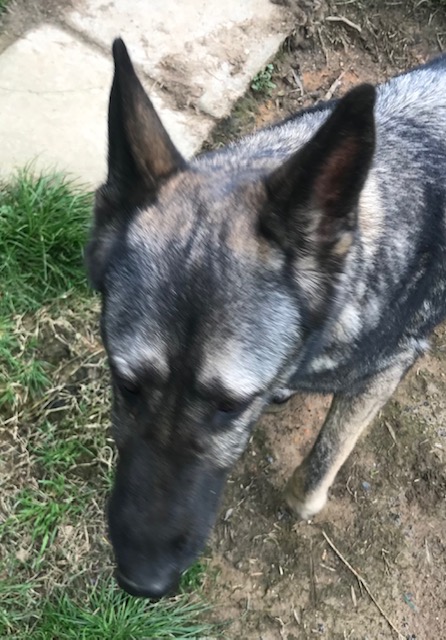
Some of our doggy guests in September.




In Victoria, it’s compulsory that your dog and cat is microchipped
Although you might not want to think about it, pets do go missing. In fact more than 100,000 cats and dogs are placed in RSPCA shelters each year. And plenty of other pets go AWOL too. Thankfully, the microchip registration scheme ensures that many are ultimately reunited with their owners. Are you planning on boarding your pet, or do you have a pet-sitter taking care of your cat or dog? Then it’s even more important that your pet is microchipped.
 The information in a tiny microchip the size of a grain of rice, located under a pet’s skin, can be read using special readers held by veterinarians, animal shelters and rescue centres. The reader will reveal the chip’s registration number which is linked to the owner’s contact information on one of several registers. This way, the missing animal can be returned to its owner.
It’s therefore essential that your pet’s microchip data remains current: that the correct contact details are listed in the database and not, for example, a previous address or former owner (you can often update these details online). Always ensure that your pet is not only microchipped, but that they are registered with your local city council . You can find their microchip number in your pet’s insurance or adoption documentation or your pet’s veterinary records (or alternatively, take your pet to the vet to have their microchip number read).
 Has your pet gone missing? Or have you perhaps found a suspected missing pet? Fortunately a vet or shelter can easily determine whether the animal is microchipped and the owner is often tracked down extremely quickly. You can also report a lost or found pet at the RSPCA, Pet Rescue, the Australasian Animal Registry, your local city council and several other pounds and shelters – thanks to these organisations, many pets and owners have been reunited.
Has your pet been microchipped? And is the registration still in order? Check today, without delay!

Bailey – a grand old gentleman

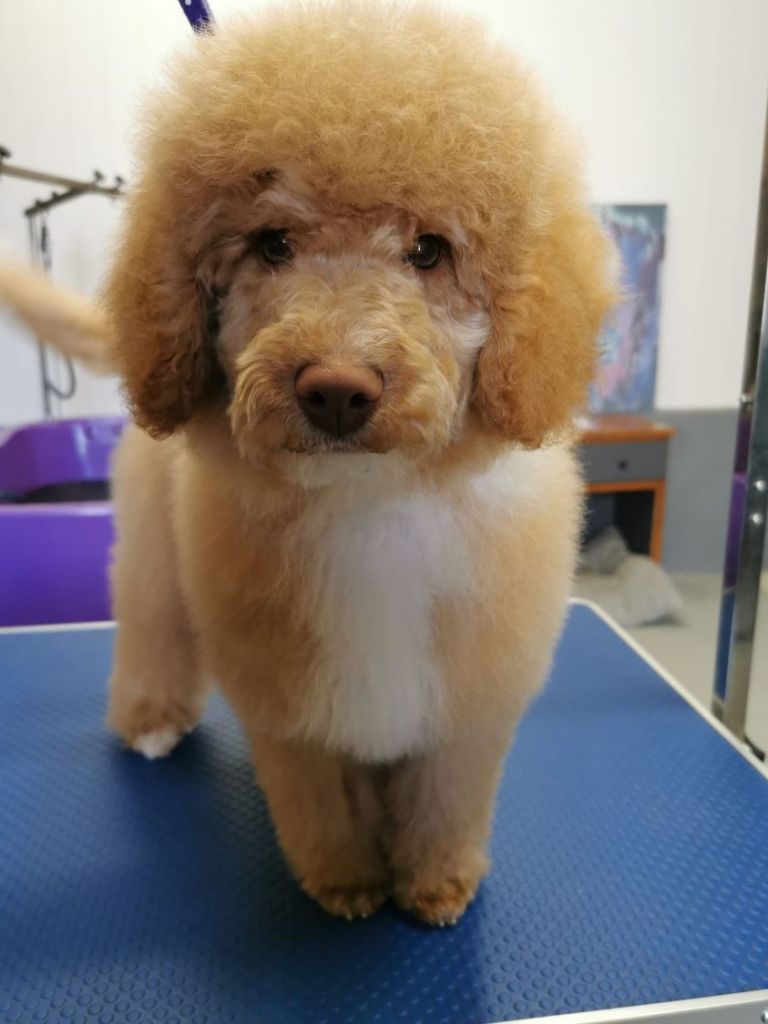
Pete, the Poodle X and quite a clown
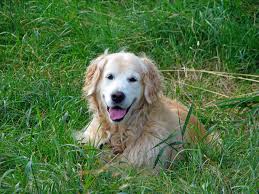
Becky, the Golden Retriever
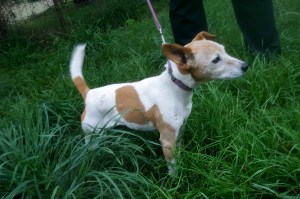
Lulu, intrepid mouse hunter!

Jack the 15yo dachshund, with his owner. He doesn’t act his age!

Rex and Bronson. Rex, the white shepherd on the left, is ours.

Another one of Rex and Bronson. Aren’t they beautiful?
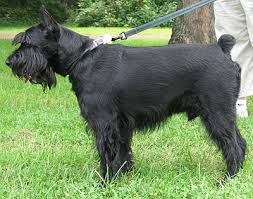
Harry the Schnauzer
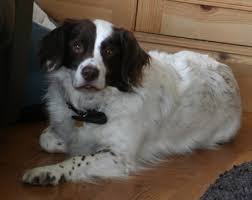
Bess, the Spaniel Cross
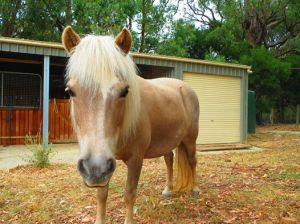
Gemma the pony. Hang on, she’s ours too!

Rosie – The border collie with the widest smile
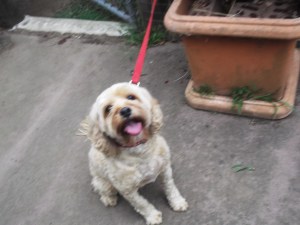
Cheeky Mala
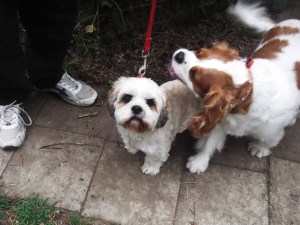
Bella & Lily
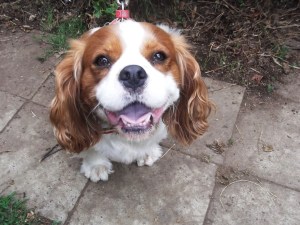
Another contestant for the best smile

Nellie, perhaps the sweetest staffy I’ve ever met

Oops. Emmy’s no guest. She’s one of ours.
Our new guests this week!

Alfie – very cute poodle X

Dennis – with a true Jack Russell personality

Charli the Maremma – a very chilled-out young livestock guardian dog

That’s no dog – that’s our 34 yo pony Candy. Still looking good!
Some of the new doggy guests at Pilyara this week!
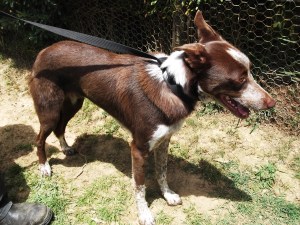
Ardie

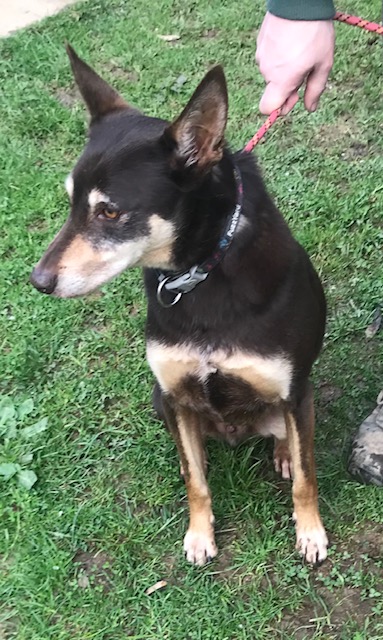
Chance – Ardie’s brother. Two VERY cool kelpies!
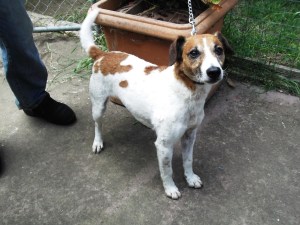
Jimmy – escape artist extraordinaire! But he’s safe here at Pilyara
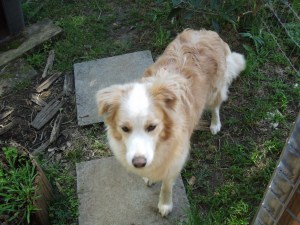
Yindi
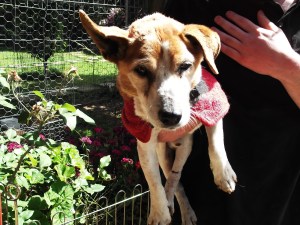
Ralph, a precious 17 yo Jack Russell!
 Pets give us their companionship, loyalty and love. They delight us, improve our health, teach children about responsibility and remind us that we live in an eco-system alongside other animals. I for one, couldn’t imagine life without them. But pet ownership also goes hand in hand with a duty to manage their effect on wildlife and the environment. This means more than picking up dog poo in the park (in biodegradable plastic bags!) or putting a bell on your cat.
 It can begin by adopting an animal from one of the many shelters around Australia. This reduces backyard breeding. There are literally thousands of lovely dogs, cats, rabbits, horses, etc, temperament tested and in need of homes. Many rescue organisations are staffed by dedicated volunteers who devote their lives to helping these animals. If you can’t adopt an animal, consider donating to your local shelter. When my kids were younger they would save up from their allowance, and every holidays take their money boxes to the local shelter. After counting out the change, they would then take a tour to see the animals.
 Keep cats inside, or in an outside cattery. Bells aren’t enough. Cats are deadly predators, and hunt even if well-fed. Roaming cats get hit by cars, injured in fights, catch fatal diseases (such as feline AIDS) or get lost. Keep dogs from wandering free. I live in a rural area, and this is a big problem. I’ve seen the heart-breaking damage domestic pets wreak on other animals. Sheep, goats, echidnas and wombats attacked by dogs. Possums, bandicoots and native birds killed by cats.
 The meaty diet of dogs and cats carries a big carbon footprint. Excess packaging also has a negative impact on the environment. Buy Australian made dry food to reduce food-miles, and consider brands like Nature’s Gift, that have a good environmental track record. Consider paper-packaged pet-food, buying from butchers and buying in bulk to reduce waste. Add left-over vegetables to your dog’s diet. Feed more raw meat like bones, offal and chicken wings. I’ve noticed many itchy skin issues improve with more raw food in the diet. Australian sardines are full of good oils, low in mercury and are a sustainable seafood. Free-range eggs are packed full of essential fatty acids, vitamins and minerals.
Here at Pilyara we try to balance doing the right thing by our animals and the environment. Do you have any handy tips or thoughts on sustainable pet ownership? Please share 🙂
 Pilyara Babydoll Stud & Kennels